The Grey Whale Migration: From Mexico to Tofino and Beyond
One of the Greatest Journeys on Earth
Every year, one of nature’s most extraordinary migrations unfolds just offshore of Tofino. The eastern North Pacific grey whale travels more than 16,000 kilometres round-trip—from the warm lagoons of Baja California, Mexico to the icy feeding grounds of the Arctic.
This migration is not only one of the longest of any mammal—it’s also one of the most visible. Unlike many whale species, grey whales stay close to shore, making places like Clayoquot Sound one of the best viewing locations in the world.
Why Grey Whales Start in Mexico
Grey whales spend their winters in the protected lagoons of Baja California for one crucial reason: survival of their calves.
These shallow, warm waters provide:
Protection from predators like orcas
Calm conditions for newborn calves
A safe space for nursing and bonding
Calves are born between January and February, and mothers remain in these lagoons until their young are strong enough to begin the long journey north.
The Northbound Migration: Passing Tofino
By March and April, grey whales begin moving north along the west coast of North America—and this is when Tofino comes alive.
Thousands of whales pass close to Vancouver Island each spring, often just a few hundred metres offshore.
In Tofino, you’ll see:
Migrating whales traveling steadily north
Mothers and calves hugging the shoreline
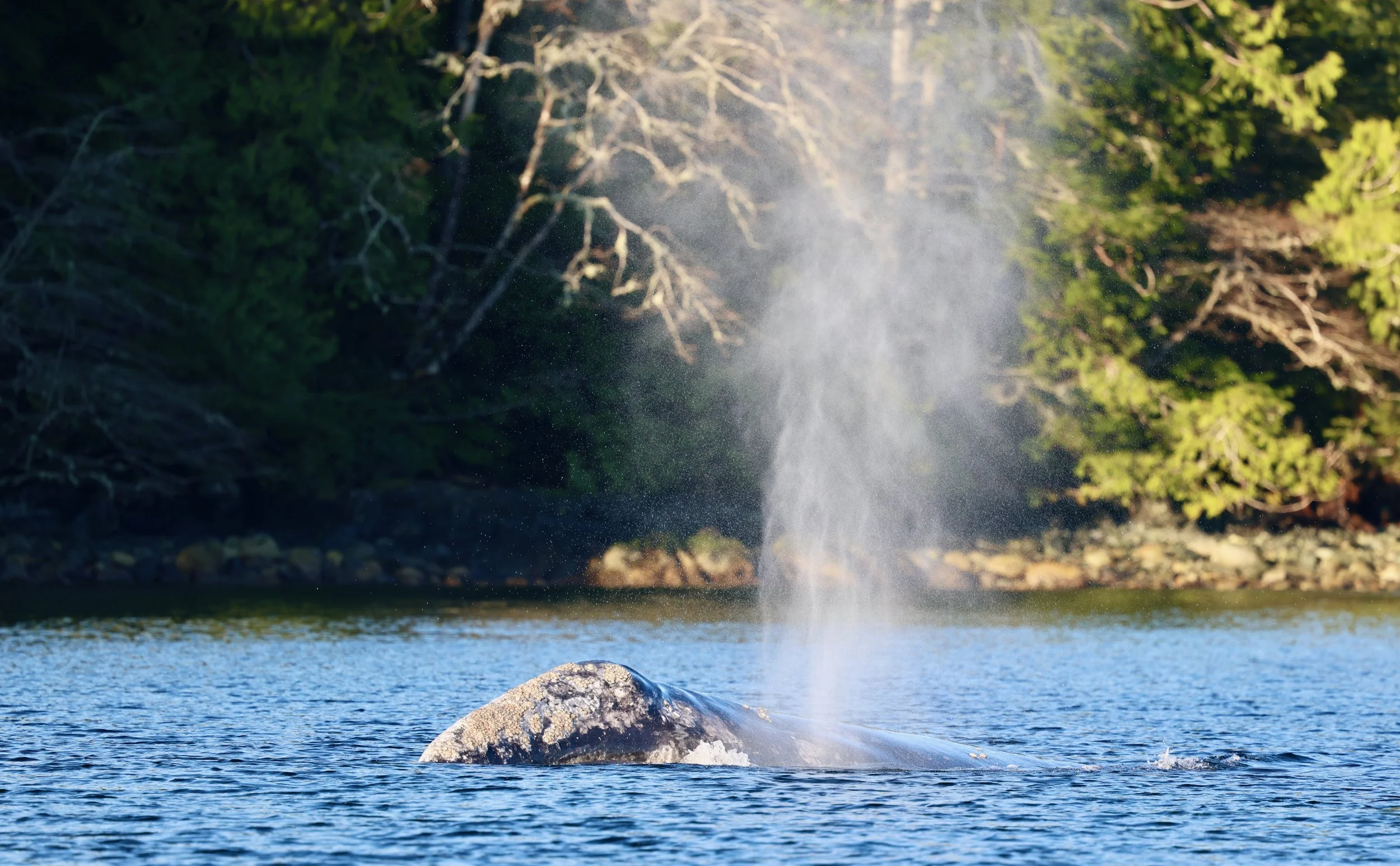
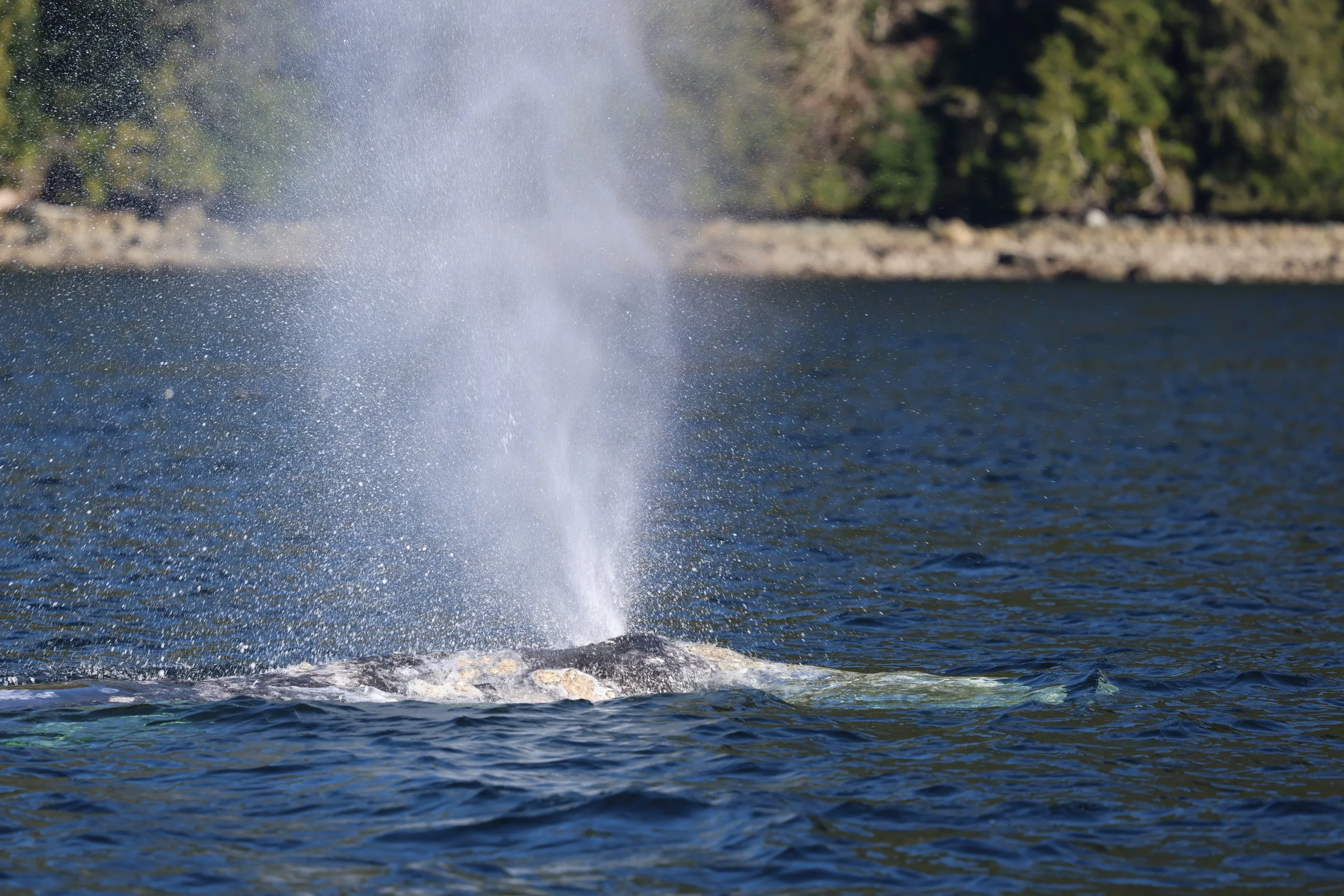
“Resident” feeding whales that pause in Clayoquot Sound
Some whales continue all the way to Alaska, while others stay right here along the BC coast as part of a small “Pacific Coast Feeding Aggregation.”
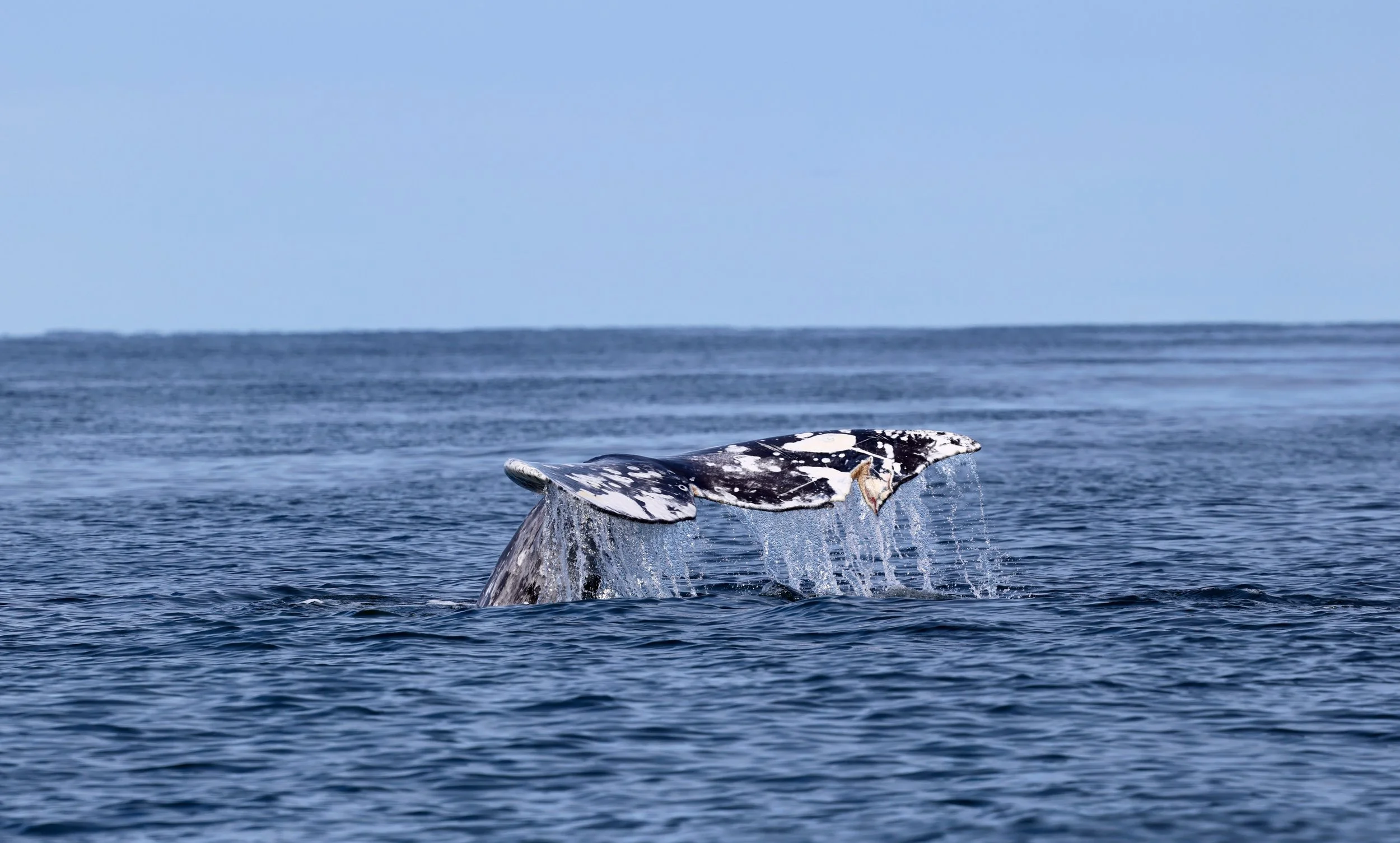
Feeding Patterns: How Grey Whales Eat
Grey whales have one of the most unique feeding strategies of any whale.
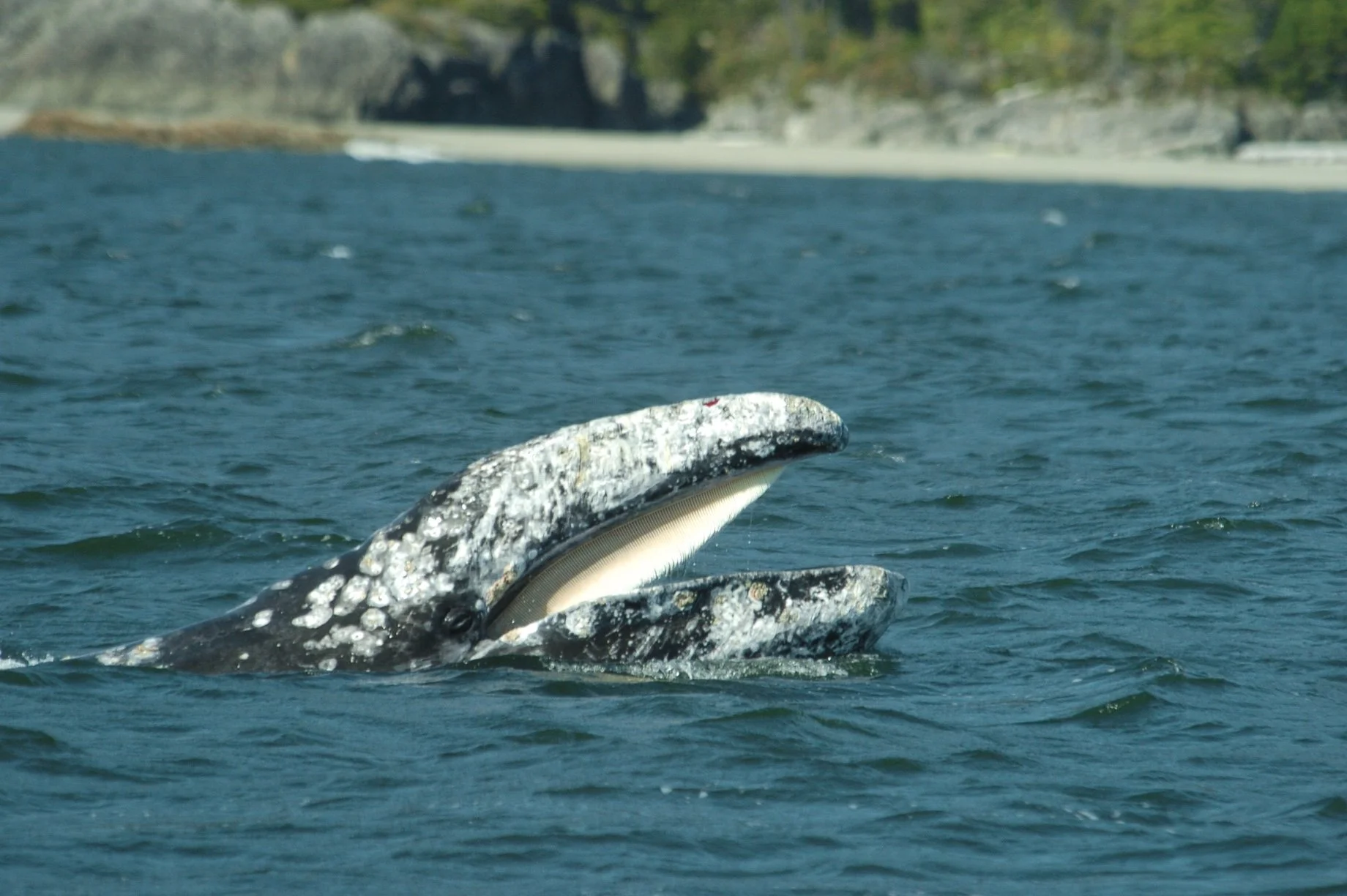
They are bottom feeders, meaning they:
Roll onto their side
Scoop up mouthfuls of mud from the ocean floor
Filter out tiny organisms using baleen
Their diet includes:
Amphipods (tiny shrimp-like crustaceans)
Ghost shrimp
Crab larvae
Herring eggs (in coastal areas like BC)
This feeding behavior creates visible “mud plumes” and feeding pits—something we often see right here in Clayoquot Sound.
Interestingly, grey whales do most of their feeding in northern waters, building up thick fat reserves (blubber) to sustain them during migration. Many whales eat very little while traveling or while in Mexico.
Why Grey Whales Stop in Tofino
Tofino sits along a critical stretch of the migration route—and for some whales, it’s more than just a pit stop.
Grey whales stop here because:
1. Food Availability
Clayoquot Sound offers rich feeding opportunities in shallow, protected waters—perfect for bottom feeding.
2. Energy Conservation
After traveling thousands of kilometres, whales may pause to rest and refuel before continuing north.
3. Resident Population
A small group of 240 resident grey whales actually stay here all summer, choosing BC feeding grounds instead of continuing to the Arctic.
4. Ideal Habitat
Sheltered inlets
Soft sediment seabeds
Abundant marine life
This combination makes Tofino one of the best places in the world to observe grey whales up close.
Incredible Grey Whale Facts
Grey whales migrate 10,000–14,000 miles annually, one of the longest migrations of any animal.
They can grow up to 50 feet long and weigh over 30–40 tonnes.
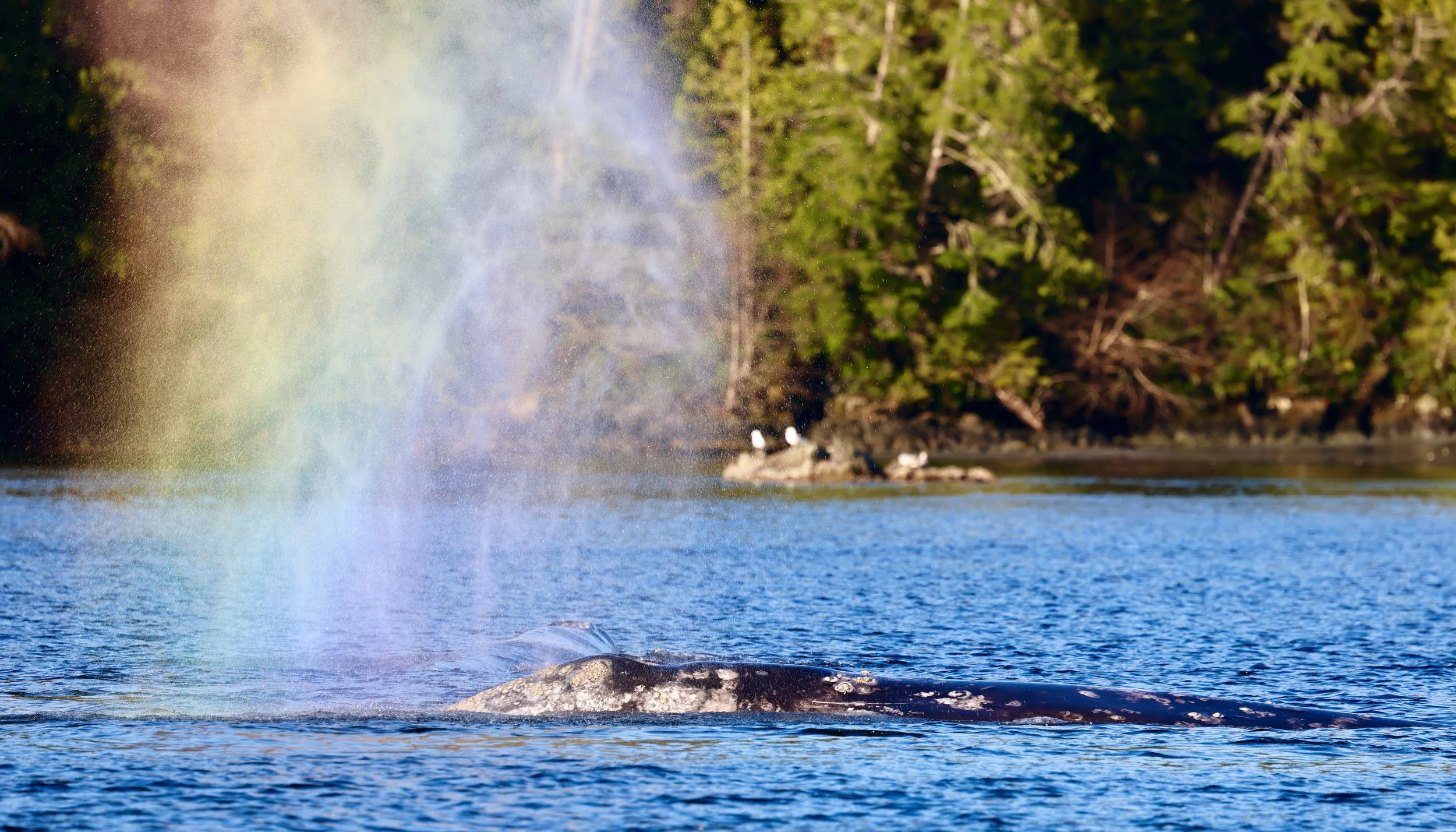
Instead of a dorsal fin, they have a series of “knuckles” along their back.
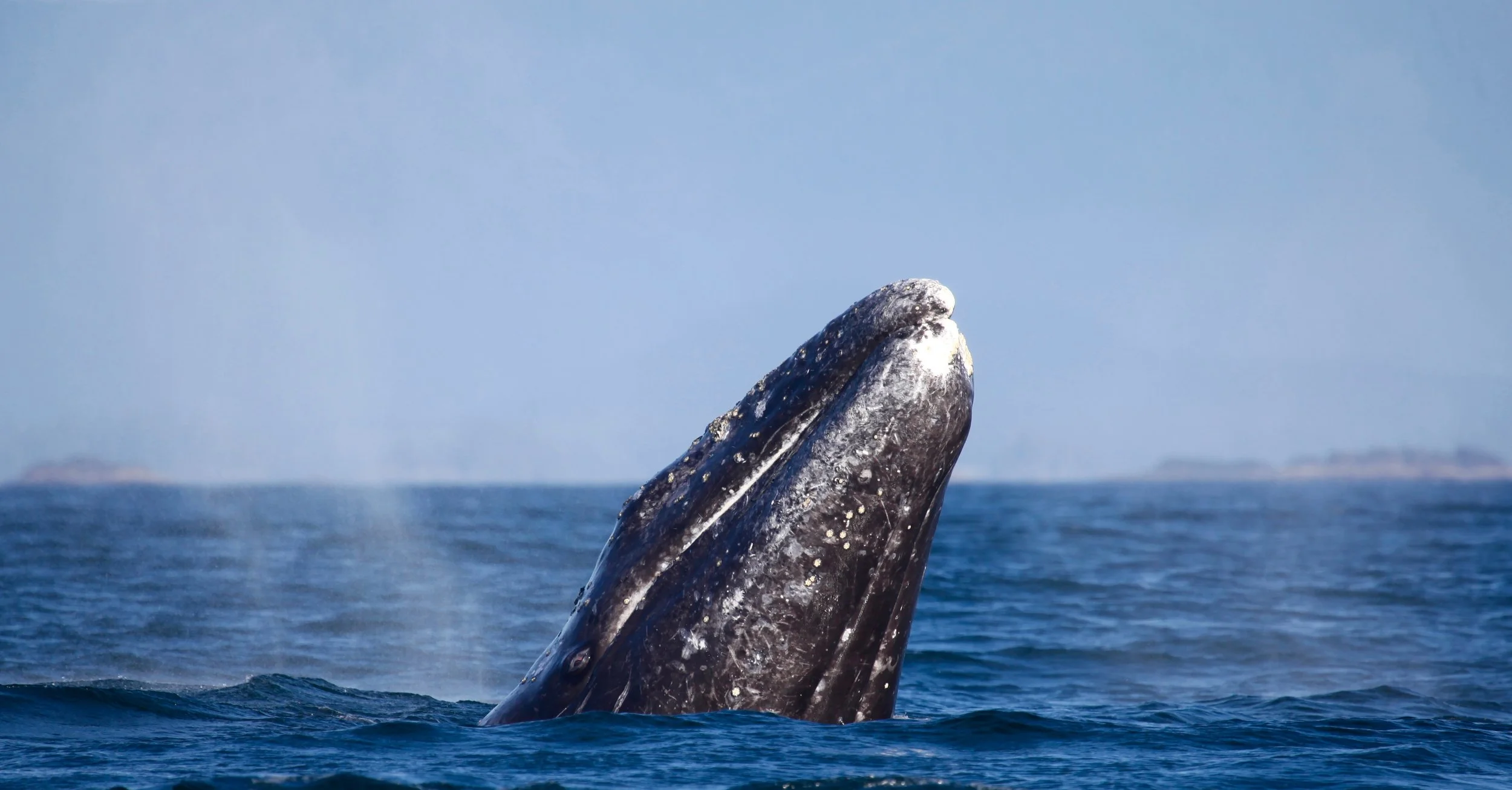
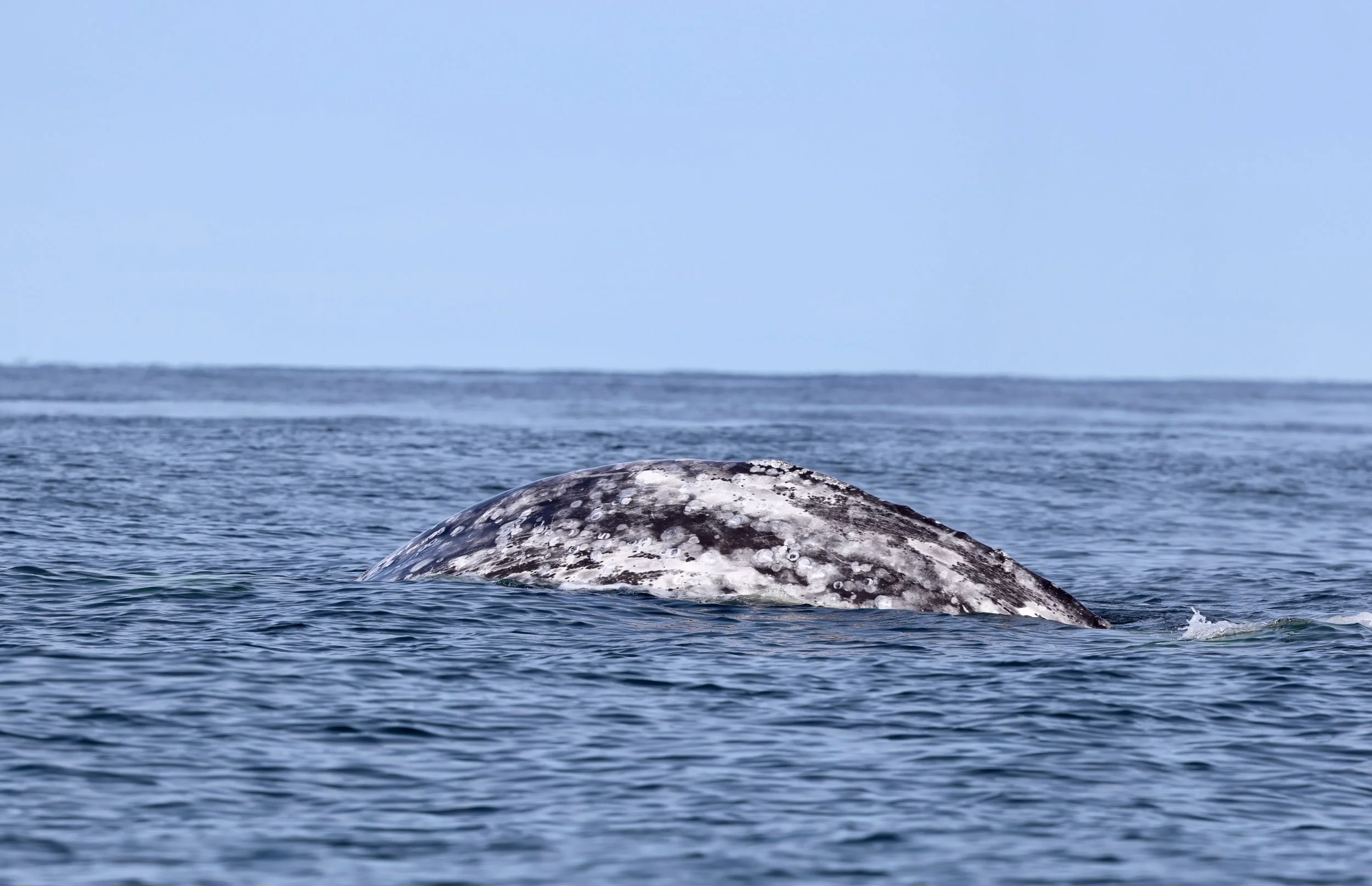
Their bodies are often covered in barnacles and whale lice, giving them a mottled appearance.
They often travel alone or in small groups, unlike more social whale species.
Some individuals can live up to 70–80 years.
A Front Row Seat in Tofino
Every spring, Tofino offers a front-row seat to one of the greatest wildlife spectacles on Earth. Whether it’s a distant blow on the horizon or a curious whale surfacing nearby, the grey whale migration is a powerful reminder of just how connected our coastline is to the wider ocean.
It’s not just a journey—it’s a story of survival, endurance, and the rhythms of the Pacific.